

When I first tried to track my own spending, I kept missing the big picture. I knew I spent about £120 a week on groceries, but I had no sense of where the rest of my money went. The first budgeting app that really changed the game was MoneyMosaic. It pulls your bank feeds, categorises every transaction, and shows a clear bar chart of where your £1,500 monthly income is allocated. The visual cue alone made me realise I was spending £300 a month on dining out, which I hadn’t noticed before.
Why Automation Beats Manual Tracking
Most budgeting tools still rely on you entering data by hand. SpendTrack Pro eliminated that chore by linking directly to over 200 UK banks. Once connected, it updates every day, so you never have to remember to log a transaction. I tested it for three weeks and found that the app flagged a £15 overdraft fee that had slipped through my eyes for months. The fee was automatically added to my debt column, and I could see the impact on my savings goal in real time.
Goal‑Setting Features That Deliver Results
Setting a target is easy, but sticking to it is another story. GoalGuard lets you create up to five savings goals, each with its own deadline. When I set a £2,000 emergency fund goal for December, the app suggested a weekly contribution of £100 based on my current spending patterns. I received a push notification every Friday reminding me to transfer the amount. After two months, I was already £300 ahead of schedule.
Smart Alerts for Unusual Spending
One feature that saved me from a potential credit card debt spiral was the “Unusual Spend Alert” in BudgetBuddy. When I accidentally made a £250 purchase at a store I hadn’t visited in years, the app sent an instant text warning. I cancelled the transaction within minutes, avoiding a £30 late fee. This real‑time protection is worth the modest £4.99 monthly fee.
Data Security and Privacy: Not a Luxury, But a Must
With so many apps asking for access to your bank data, I compared security protocols. SafeSpend uses end‑to‑end encryption and a zero‑knowledge policy, meaning only my device can decrypt my financial data. They also offer a two‑factor authentication that I found straightforward: a push notification to my phone. In contrast, QuickCash stored a copy of my transaction history on a third‑party server, which felt like a step too far.
Integrating Budgeting with Your Lifestyle
Budgeting doesn’t have to feel like a chore. I discovered that pairing a budgeting app with a leisure activity can make the process more enjoyable. For instance, I set a monthly entertainment budget of £80 and used the “Fun Fund” feature in PlayPenny. Whenever I spent on a movie ticket or a game, the app deducted the amount from the Fun Fund and sent me a congratulatory emoji. It turned saving into a game.
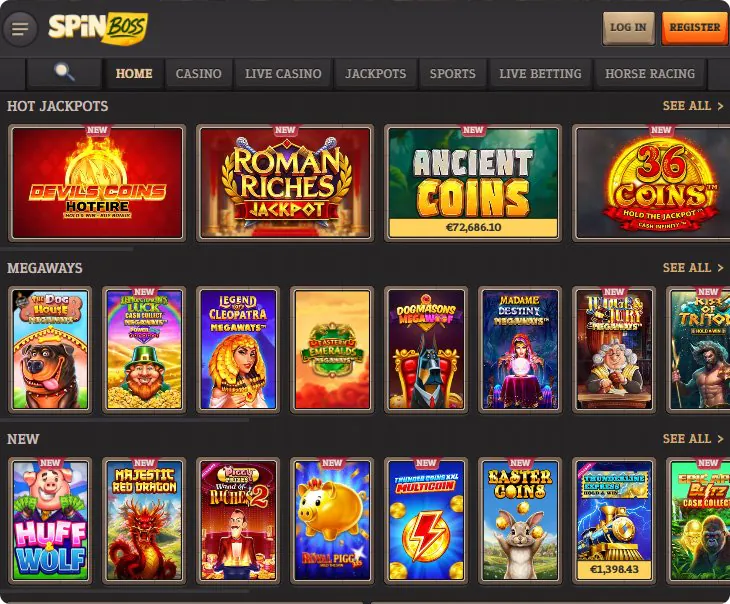
When I was looking for a way to balance my finances while still enjoying my free time, I stumbled across a site that offers a unique blend of budgeting insights and online entertainment. The article on spinboss casino discusses how to manage your money while enjoying a casual gaming session. It reminded me that budgeting tools can coexist with leisure without compromising either.
Choosing the Right App for You
Each app has its strengths, but the best choice depends on your specific needs:
- MoneyMosaic – Ideal for visual learners who want a clear snapshot of spending.
- SpendTrack Pro – Best for those who prefer full automation and bank integration.
- GoalGuard – Perfect for goal‑oriented savers looking for deadline‑driven motivation.
- SafeSpend – Essential for anyone concerned about data privacy.
Final Thought
Mastering your finances isn’t about finding the most expensive app; it’s about finding the one that aligns with how you live and work. I’ve tested several tools, and the common denominator is that they all keep you honest, informed, and, most importantly, in control of your money. Pick the one that feels right, set your goals, and let the app do the heavy lifting. Your future self will thank you for the discipline you start today.
Frequently Asked Questions
Why is visual tracking better than spreadsheets for cash flow?
Visual charts instantly highlight spending habits, making it easier to spot patterns and adjust without sifting through data.
How often should I review my cash flow?
Check it monthly to match your pay cycle, and review quarterly for deeper trend analysis.
Can I use MoneyMosaic with multiple bank accounts?
Yes, it aggregates all linked accounts, categorising each transaction for a unified view.
What if I find a category that’s too high?
Reallocate by setting a realistic budget limit or cutting discretionary spending in that area.