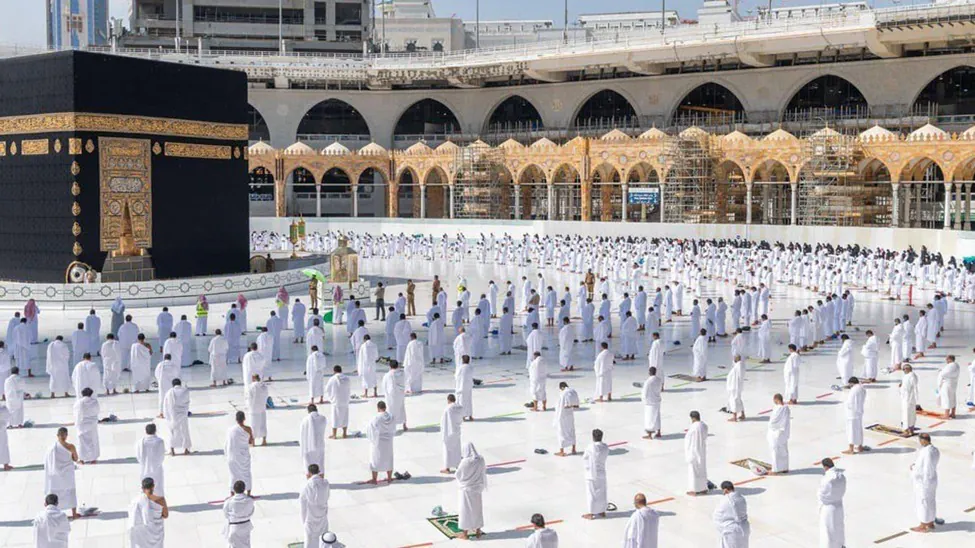
The Maqam E Ibrahim serves as the greatest sacred site for Muslims because it contains profound spiritual significance. The historic site embodies the profound religious devotion of Prophet Ibrahim toward Islam through his absolute dedication and spiritual belief. The religious places of Hajj and Umrah attract millions of faithful believers to the sacred station each year.
The Islamic site of Maqam E Ibrahim traces its essence to what degree. Which powerful force compels Islam to show such extensive attraction to this location? A detailed overview and complete evaluation of this essential place become available through the following study that investigates its historic background in addition to its symbolic character, which keeps believers returning. This blessed site’s complete description will be presented to you completely at the final section.
Through destination planning or meaning exploration Crowne Travels will direct your spiritual pilgrimage according to your convenience.
What is Maqam E Ibrahim?
Visitors find Maqam E Ibrahim inside the sanctified area of Masjid al-Haram within Makkah. A stone within this holy place bears the spiritual traces made by Prophet Ibrahim (peace be upon him). The footprint evident in the sacred site represents the position Prophet Ibrahim maintained when constructing Holy Kaaba alongside his son Prophet Ismail (peace be upon him).
Allah’s sacred command inspired Ibrahim to follow his religious devotion completely by preserving his footprints at the Maqam E Ibrahim. The location serves as the focal point of worship for believers who reside across various areas to perform prayer and reflect to Allah.
Quranic Reference to Maqam E Ibrahim
According to Quranic scriptures this place of Ibrahim (peace be upon him) holds religious devotion. The station receives direct reference from Allah Almighty through Surah Al-Baqarah (2:125).
Allah made the House became the humans’ place of returning along with ensuring their security. You must make Maqam E Ibrahim the location for your prayer services.
The divine instruction declares this place a holy sanctuary which makes Maqam E Ibrahim a sacred location for spiritual devotion. The worshipping of Maqam E Ibrahim shows both gratitude and total dependence on Allah according to the manner Prophet Ibrahim practiced throughout his life.
Historical Significance of Maqam E Ibrahim
Footprints of Faith
A close historical tie exists between Maqam E Ibrahim and the building of the Kaaba known as the House of Allah. Allah delivered the assignment of building the sacred structure to Prophet Ibrahim and his son Ismail to become the site where people from different belief systems would join together in worship.
When Ibrahim placed bricks against the Kaaba walls from the stone he stood he left the imprints which became visible. Through his foot’s weight the stone acquired these marks which showcase both his strong dedication to the Creator as well as his commitment to construct His sacred house.
Throughout the centuries human beings have continuously demonstrated their dedication to carrying out divine directions through the Maqam’s persistent existence. The act serves Muslims as an essential symbol which demonstrates Allah watches and appreciates all work dedicated to his path.
Preservation Over Time
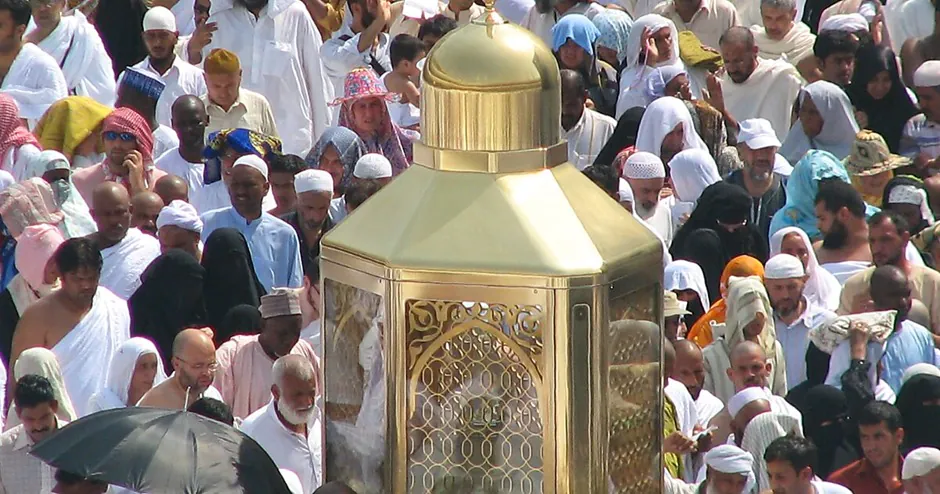
Centuries of outdoor exposure together with countless visitors have failed to diminish the preservation of the sacred footprints by guardianship measures. These Holy footprints dwell inside a beautifully constructed golden case accompanied by glass within the vicinity of the Holy Kaaba. The practice of accessibility protects both spiritual contemplation and physical protection of the holy footprints.
Spiritual Importance of Maqam E Ibrahim
The visitors of Masjid al-Haram find the Maqam E Ibrahim to represent an eloquent memory of the permanent legacy Prophet Ibrahim left behind. The object reflects deep religious importance to Muslims throughout our contemporary age.
- Symbol of Obedience and Sacrifice
Prophet Ibrahim displayed unparalleled obedience toward Allah by undertaking immense trials. By standing at Maqam E Ibrahim, pilgrims aim to internalize this obedience as a core element of faith.
- Encouragement to Build a Strong Foundation of Faith
The role of Maqam E Ibrahim in constructing the Kaaba inspires Muslims to ensure that their spiritual life has a firm foundation—just like Prophet Ibrahim ensured the Kaaba’s solid structure.
- A Place of Prayer
Pilgrims are encouraged to offer two units of prayer near the Maqam E Ibrahim after completing their Tawaf (circumambulation of the Kaaba). This act further cements the spiritual connection between believers and their Creator.
Crowne Travels can assist in arranging your Umrah or Hajj experience so you can pray at this blessed location with ease and comfort.
A Closer Look at the Keywords for Maqam E Ibrahim
Maqam E Ibrahim in Islam
The core essence of Maqam E Ibrahim connects powerfully to the Islamic religious teachings. It functions as a sacred pathway which allows believers to connect with their religious ancestry whose first member is Prophet Ibrahim. Hanif stands as his theological title for being a natural monotheist who gave submission to Allah before receiving any divine revelations.
The stone with refurbished footprints remains a sacred relic that stimulates millions of Muslims to fulfill their profound religious aspirations. Every Mecca pilgrimage recognizes Maqam E Ibrahim as a fundamental milestone which maintains the valuable sacred heritage established by the eminent prophet.
Crowne Travels stands as your established partner for any matter related to Umrah and Hajj realizations or knowledge acquisition.
Preservation of Maqam E Ibrahim Today
This sacred site functions currently as a protected historic structure which unites religious and historical elements. The authorities in Makkah maintain religious preservation while providing easy access to millions of yearly pilgrims.
The combination of transparent glass and golden cage around the footprints serves two purposes by allowing viewing without damaging their integrity.
All precautions implemented work to safeguard the Maqam E Ibrahim as a functioning symbol of religious devotion along with its historical significance. Through its mission Crowne Travels provides worldwide pilgrims with opportunities to visit these holy sites.
Embark on Your Spiritual Journey With Crowne Travels
Maqam E Ibrahim operates as a holy pathway for Muslims who follow its path to fulfill their obedience by sacrificially serving God.
Through their services Crowne Travels supports travelers who want to experience Maqam E Ibrahim worship route. The company supplies complete necessary travel arrangements with helpful information to make meaningful yet convenient pilgrimage journeys possible.
People who want to see Maqam E Ibrahim should make their pilgrimage reservation with Crowne Travels.