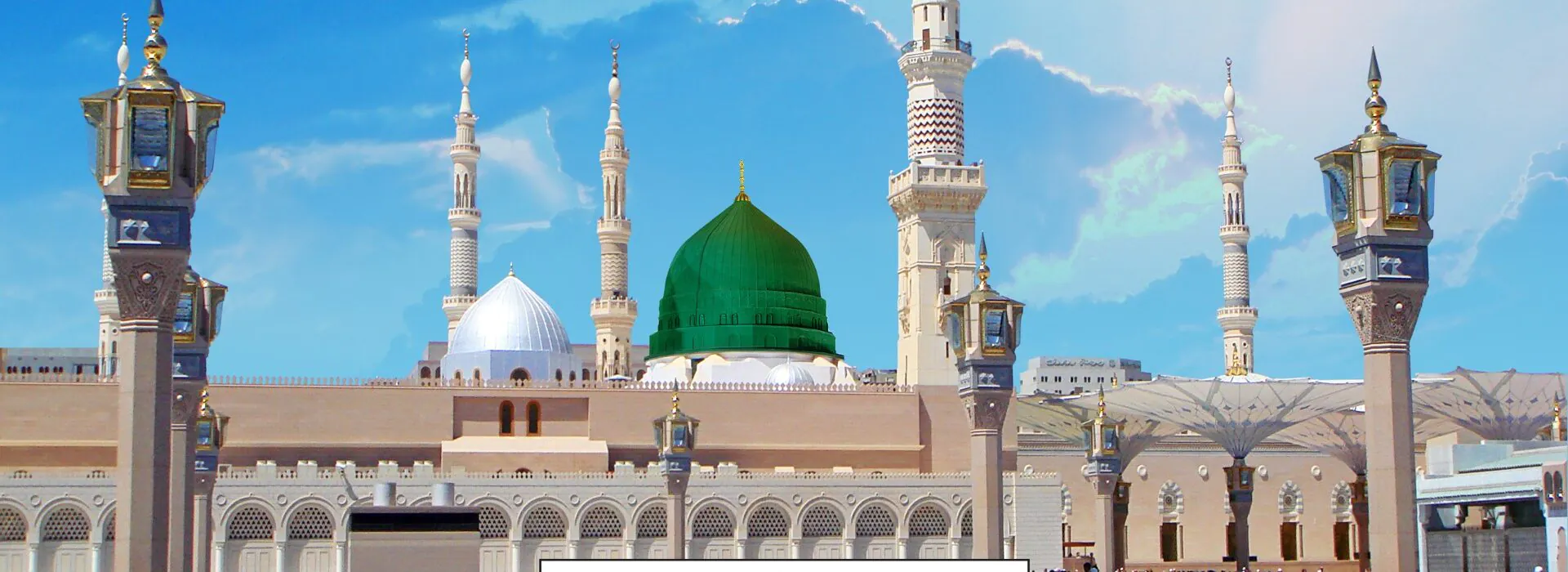

A visit to Makka is a great pilgrimage for Muslims across the world. It is very important and provides an opportunity to cleanse, reflect, and be close to Allah. Another difference between Hajj and Umrah is that, unlike Hajj, which is compulsory and must be carried out within certain dates, Umrah may be carried out at any time of the year. Nevertheless, the awareness of the most appropriate moment to visit Umrah can improve your trip and provide you with additional benefits. To most Muslims, the timing of their pilgrimage to Mecca is essential. Umrah is a critical factor in the spiritual life. This article discusses the optimal times of year to make Umrah and why Crowne Travels can enhance this religious trip and make it as rewarding as possible.
Why Timing Matters for Umrah
The fact that the time to visit Umrah is a matter of convenience as well as developing a very spiritual experience. At the appropriate time, the Umrah Packages from New York may provide you with a calmer place to worship, a deeper experience with Allah, and help you avoid the need to create unneeded stress. Time is everything, be it the weather or the spiritual meaning of certain months.
When to Perform Umrah: Best Time for Spiritual Benefits
When to visit Makka is best decided on a number of reasons, though one of the most vital is that your visit coincides with some period in the Islamic calendar when some spiritual milestones are observed. Though Umrah can be undertaken any time of the year, there are times that provide a peaceful and potentially spiritual fulfillment experience. The following are some of those periods when you can plan your Umrah pilgrimage:
1. Ramadan
The ninth month of the Islamic calendar, called Ramadan, is a significant month to Muslims. Fasting during the day, between sunrise and sunset, is the primary practice of Ramadan, and extra time is spent in prayer, introspection, and spiritual growth. The importance of undertaking Umrah during Ramadan is greater because the reward is doubled. The pilgrimage in this holy month is said to be equivalent to the pilgrimage in Hajj. The season is one of the best times to visit the holy cities of Mecca and Medina in spite of the busy time due to their spiritual tradition and religious ambiance.
2. The Months of Shawwal, Dhul-Qa’dah, and Dhul-Hijjah
To those who want a less busy experience, months after Ramadan, Shawwal, Dhul-Qaadah, and Dhul-Hijjah can also be a satisfying experience in their Umrah. During such months, there is less congestion, and one can carry out rituals without the multitudes of people that are found during the Hajj season or Ramadan. The atmosphere of visiting during these months can be reflective and calming as well, which gives the pilgrims more time to be more focused on their prayers and worship.
3. Avoiding Hajj Season
Although Hajj is an effective spiritual experience, it can also result in huge crowds at Mecca. Hajj is held in the Islamic month of Dhul-Hijjah, and in the process, Mecca is overwhelmed with millions of pilgrims. In case you want to do Umrah as your main intention, then you might want to stay off these dates. Although you will still visit the same holy places and locations, the big numbers might interfere with your prayer and contemplation.
4. The Winter Months (November to February)
Another point that will be a key to making your Umrah an enjoyable experience is the weather. Medeina and Mecca are located in the desert and may be extremely hot during summer periods. The winter seasons, particularly in the months of November through February, are colder, and thus, you will find it more comfortable to visit. It is the ideal time to travel because no one faces the overheating, and he is also comfortable travelling to his spiritual needs.
5. The Summer Months (June to September)
Although the summer season is generally hot in the area, it can still be an ideal time to make Umrah for travelers who can withstand the heat. Most of the pilgrims use summer holidays to visit Mecca because it is during school holidays. But expect it to be hotter, and there is the risk of congestion, particularly in July and August. When you do visit during the summer, be well prepared with the heat, hydrated, and with sun protection.
How Crowne Travels Can Help You Perform Umrah
The choice of the appropriate travel agency can prove to be a great difference when it comes to the execution of Umrah. Crowne Travels is here to assist you in ensuring your Umrah trip is smooth, spiritual, and convenient. They have a team of professionals who are well-trained to handle all the logistics, including booking the flights and accommodation, and helping you to navigate the rituals of Umrah. Crowne Travels will make certain that you have a peaceful and easy time as you concentrate on your worship and prayers.
Crowne Travels will provide customized packages, which can be adjusted based on your required dates, budget and requirements. Whether it is a quieter season of the year, or the spiritual gains of the Ramadan, Crowne Travels can assist in organizing your journey so that you can enjoy the full benefits of your pilgrimage. They also help with the required paper work, and visa applications, and give guidance in the religious practices. You will be able to invest all your efforts into the spiritual adventure without having to worry about logistics, with their professional help.
Performing Umrah and Connecting with Allah
The reason why you do Umrah is the reason you have a chance to make peace with Allah, forgive and purify your soul. The pilgrimage makes you forget this routine and get into the spiritual mode of meditative reflection. In any case you are planning to do Umrah, it is best to always have some purpose behind it and be able to reconnect with Allah and reaffirm your faith. The timing, the atmosphere and even the environment can significantly complement the spiritual experience.
Besides the ritualish elements of Umrah, it also includes time of introspection, prayer and thankfulness. You either do Umrah during the crowded season of Ramadan or the less noisy season of winter, but what is more vital is the intention that you have. The aim is to concentrate on your individual connection with Allah and to take the best of the chance to cleanse your soul.
Best Time to Perform Umrah: Key Takeaways
Although Umrah may be conducted all year round, the most favorable time largely depends on your personal needs, the weather condition and the way you would like to experience the pilgrimage. The greatest spiritual reward is Ramadan, which has the capacity to be congested. It is a more peaceful experience during the months after Ramadan or warmer winter months. Summer is more convenient to vacationers and has increased heat and traffic. Finally, it is always better to do Umrah at the time when you are able to concentrate on your worship without any distracting factors.
You shouldn’t only think about the seasons during which you might encounter the pilgrimage; you should also make plans to visit a specific place at certain times of the year. Regardless of the time of the year you want to undertake Umrah, the trip itself is a phenomenal spiritual experience that makes you closer to Allah. Crowne Travels will offer you the most outstanding service so that your pilgrimage to Umrah is an experience that will be memorable.